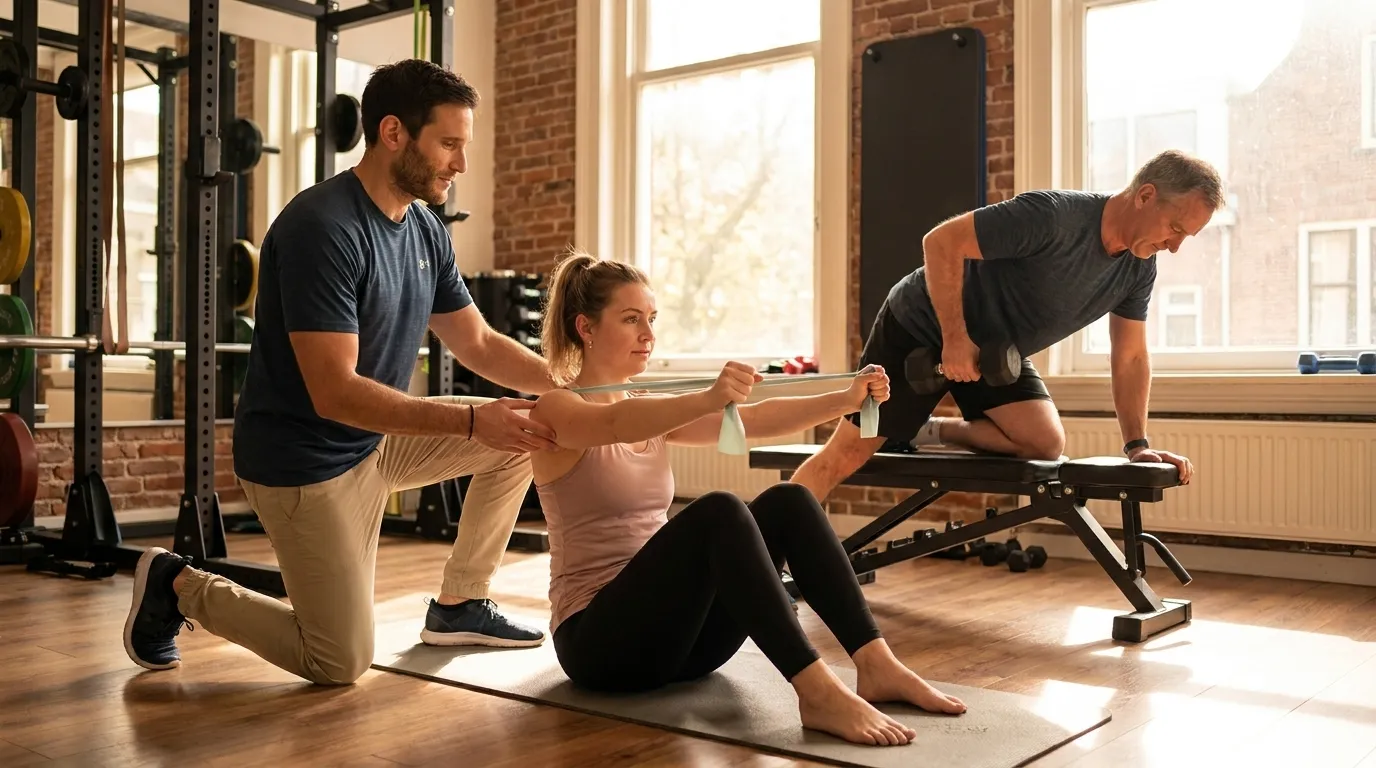
Strength training programs for athletes have evolved dramatically over the last decade, and Barcelona has become a hub for innovative sports coaching approaches. Whether you’re an elite competitor, recovering from injury, or simply a fitness enthusiast seeking advanced methods, the right program can transform your performance. Having worked as a trainer for the Chilean Handball Olympic Team, I have seen first-hand how tailored strength and conditioning strategies can take athletes from good to exceptional.
In this article, we’ll explore how Barcelona’s sports coaching scene is blending cutting-edge technology, individualized programming, and recovery science to deliver world-class results.
Precision Strength Training Programs: The Foundation of Athletic Success
Strength training programs today are far more than lifting weights. According to Vitruve’s 2025 Strength & Conditioning Trends Report, 78% of professional sports teams in Europe now integrate velocity-based training (VBT) into their programs. This method measures bar speed during lifts and adjusts loads in real time based on the athlete’s readiness.
| Training Method | Adoption Rate in Europe | Performance Impact |
|---|---|---|
| Velocity-Based Training | 78% | High |
| Wearable Performance Tracking | 40% increase | Moderate |
| Individualized Recovery Protocols | — | 15-20% improvement |
As shown above, VBT is leading the way, but wearable tracking and recovery protocols are equally critical. This data-centric approach eliminates guesswork, ensuring every rep serves a purpose. In Barcelona, coaches are increasingly combining VBT with force plate analysis to detect asymmetries and improve movement efficiency, something that can prevent minor issues from becoming serious injuries. Athletes in sports ranging from basketball to rowing are benefiting from precision programming that adjusts not only daily loads but also exercise selection, based on biomechanical feedback. This kind of micro-adjustment ensures that progress is continuous, efficient, and safe, creating a foundation that supports peak performance for years to come.
Athlete performance in 2025 is driven by precision. We’re no longer guessing — every training decision is backed by real-time data on speed, force, and recovery.
Recovery in Strength Training Programs: The Barcelona Advantage
Recovery is no longer an afterthought; it’s a core component of sports coaching. FC Barcelona’s Innovation Hub emphasizes that ‘recovery is training.’ AI-assisted load monitoring ensures athletes stay at peak performance while minimizing injury risk.
Sports coaching in Barcelona often includes:
- Cryotherapy sessions
- Infrared sauna use
- Compression therapy
- HRV-based recovery scheduling
These techniques are particularly beneficial for injury recovery clients. For example, athletes returning from ACL surgery can integrate progressive load training, monitored daily, to rebuild strength safely. Recovery programs are now often periodized just like training cycles, with specific phases dedicated to neuromuscular regeneration, hormonal balance, and mental restoration. Coaches use readiness scores derived from sleep, HRV, and muscle soreness metrics to decide whether an athlete should engage in high-intensity training or focus on mobility and active recovery. This approach not only accelerates healing but also maintains an athlete’s psychological confidence, which is crucial during rehabilitation. You can read more about tailored rehab approaches in our Sports Rehab: Advanced ACL Recovery for Athletes guide.
Additionally, learn how to complement your recovery strategies with proper nutrition in our Nutrition for Strength Training: Boosting Performance Effectively article.
Integrating Technology into Strength Training Programs: Wearables and AI Coaching
Between 2023 and 2025, Barcelona’s elite programs reported a 40% increase in the use of wearable performance trackers like WHOOP and Catapult. These devices monitor metrics such as:
- Heart rate variability
- Sleep quality
- Movement efficiency
AI coaching platforms now analyze this data to create individualized training plans based on biomechanics, injury history, and real-time performance. This hybrid model — in-person coaching supported by remote monitoring — ensures constant feedback and adjustment. Athletes can receive instant alerts if their performance metrics suggest overtraining, allowing coaches to intervene before fatigue leads to injury. Furthermore, machine learning algorithms can predict optimal competition readiness windows, helping athletes peak at the right time. For youth athletes, this integration is especially valuable as it helps establish healthy training habits early on, guided by precise data rather than intuition alone.
For those seeking advanced functional training methods, our Ultimate Guide to Advanced Functional Training Techniques dives deeper into how technology is shaping modern strength and conditioning.
Our strength and conditioning programs are built on the principle that recovery is training. We use AI-assisted load monitoring to keep athletes at peak performance while reducing injury risk.
Case Study: Strength Training Programs from Injury to Peak Performance
During my tenure with the Chilean Handball Olympic Team, I worked with an athlete recovering from a severe shoulder injury. By implementing VBT, wearable monitoring, and progressive overload principles, we restored full range of motion and increased press strength beyond pre-injury levels in just 16 weeks.
The key steps included:
- Baseline assessment using force plates and mobility tests.
- Progressive load adjustments guided by daily velocity tracking.
- Integrated recovery sessions with cryotherapy twice weekly.
- Nutrition plan focused on anti-inflammatory foods.
We also incorporated proprioceptive training to rebuild neuromuscular control, using unstable surfaces and targeted grip work to enhance shoulder stability. Weekly video analysis allowed us to track improvements in technique and identify compensatory movements before they became problematic. According to Smartabase athlete management systems, individualized recovery protocols can improve performance metrics by 15-20% over 12 weeks (Source). This aligns with the results we achieved, as the athlete not only returned to full competition but also recorded a personal best in shooting accuracy within three months of re-entry.
Long-Term Athlete Development (LTAD) and Sustainability in Strength Training Programs
Barcelona’s coaching programs increasingly adopt LTAD models, prioritizing sustainable growth over short-term gains. This is especially important for youth athletes, where premature specialization can lead to burnout or injury.
Key LTAD principles:
- Gradual load progression
- Skill diversification
- Year-round conditioning cycles
- Periodized recovery phases
In practice, LTAD in Barcelona means introducing young athletes to multiple sports and movement patterns before focusing on specialization. This builds a broader athletic base, reduces injury risk, and promotes overall physical literacy. Coaches emphasize education, teaching athletes how to self-monitor recovery and manage training loads responsibly. The sustainability component extends to mental health, with sports psychologists integrated into many programs to ensure athletes develop resilience and maintain motivation over the long term. These programs blend in seasonal adaptations, much like our Seasonal Fitness: Stay Active and Healthy Year-Round article outlines for general fitness.
Implementation Guide: Building Your Own Strength Program in Barcelona
If you’re ready to elevate your performance, here’s how to start:
- Assessment – Begin with a comprehensive evaluation of your current strength, mobility, and recovery capacity.
- Program Design – Collaborate with a sports coach experienced in VBT and AI tools.
- Technology Integration – Invest in a wearable tracker for ongoing data collection.
- Recovery Planning – Schedule recovery sessions as deliberately as workouts.
- Nutrition Alignment – Pair your training with evidence-based nutrition strategies.
When implementing, consider starting with a four-week adaptation phase to prepare your body for higher-intensity work. Use your wearable data to track improvements and adjust loads accordingly. Make recovery non-negotiable by booking sessions in advance, and align nutrition with training cycles — for example, increasing protein intake during hypertrophy phases and focusing on anti-inflammatory foods during recovery-focused weeks. External facilities such as Barcelona Strength & Conditioning offer technology-equipped studios that support all these elements, providing an environment where data and expertise converge for optimal results. For more guidance, explore our Mastering Advanced Training Techniques for Peak Performance resource.
Conclusion: Why Strength Training Programs in Barcelona Lead Athlete Performance
Strength training programs in Barcelona stand out because they merge traditional coaching expertise with modern science and technology. My experience with elite athletes — from Olympic handball players to post-injury clients — confirms that the combination of VBT, AI-assisted coaching, and recovery-focused programming delivers sustainable, high-level performance.
The city’s unique ecosystem includes research-driven sports institutions, tech-forward training facilities, and a collaborative culture among coaches, physiotherapists, and nutritionists. This synergy ensures that athletes receive holistic care, addressing every aspect of performance from biomechanics to mental readiness. Whether you’re aiming for peak competition readiness, safe injury recovery, or long-term wellness, Barcelona’s sports coaching scene offers a blueprint for success. The next step is yours: connect with a specialized coach, integrate technology into your training, and commit to a program that treats recovery with the same respect as the workout.
Your journey to enhanced strength and conditioning starts now — and Barcelona is ready to lead the way.