In 2026, the conversation around strength training for women is changing in a big way. For a long time, many women were steered toward exercise mainly to lose weight or aim for a certain look. Now the focus is becoming more practical and useful. More connected to real life, honestly. It’s about keeping muscle, staying strong, supporting bone health, moving well, helping long-term women’s health, and feeling capable in everyday life (which is a big deal). And that can matter whether someone is in her 20s, going through menopause, coming back after an injury, or simply trying to feel more confident from one day to the next.
This shift matters because muscle loss can start earlier than many people think. Stress, low activity, dieting, injury, and hormonal changes can all make it harder to keep strength. The encouraging part is that the right fitness plan can often help at almost any stage of life. In this article, readers will learn why muscle preservation matters, what current research says, how to build an effective plan, which mistakes to avoid, and how personalized coaching from professionals like PersonalTrainerBarcelona.com can support safe progress (step by step).
Why Muscle Preservation Is a Major Women’s Health Goal
Muscle is not just for athletes or bodybuilders. It helps with everyday tasks like climbing stairs, carrying bags, protecting joints, and keeping balance, which usually matters more in daily life than many people realize. It also helps the body recover from regular physical strain, and those smaller benefits can build up over time. In women, keeping muscle is linked to better metabolism, stronger bones, and more independence as the years go on. That is a big reason strength training for women has become such an important fitness focus in 2026.
Recent research says this pretty clearly. A 2026 systematic review in Frontiers in Public Health looked at 17 randomized controlled trials involving 744 postmenopausal women with sarcopenia. It found that exercise improved muscle mass, grip strength, knee strength, gait speed, balance, and mobility, so the benefits were not limited to gym performance. A 2025 guideline also recommended resistance training more than twice a week for 12 weeks at 40% to 60% of 1RM to improve muscle strength in people dealing with muscle loss.
| Finding | Result | Why It Matters |
|---|---|---|
| 2026 review | 17 trials, 744 women | Shows strong support for exercise in muscle preservation |
| 2025 guideline | >2 sessions per week for 12 weeks | Gives a clear starting point for training frequency |
| Meta-analysis | Handgrip strength SMD = 0.901 | Shows meaningful gains in functional strength |
| Systematic review | Lean body mass SMD = 0.44 across 43 studies | Confirms muscle gains are realistic for many women |
As the table shows, this is a real health issue, not just something people talk about at the gym. The Office on Women’s Health says, ‘Exercise for sarcopenia should focus on muscle health and include resistance and strength training.’ In my view, that advice fits women across many ages, not only older adults.
What Effective Strength Training for Women Looks Like
A good plan does not need to feel extreme. It works best when it is steady, progressive, and fits where you are right now, which usually makes training feel safer and easier to stick with over time. For most women, that means 2 to 4 strength sessions each week, a focus on basic movement patterns, enough time to recover, and a gradual increase in challenge as you go.
The main patterns to build around are squat, hinge, push, pull, carry, and core stability. These can be trained with body weight, resistance bands, machines, dumbbells, or barbells. If you are new to lifting, 1 to 3 sets of 8 to 12 reps with a weight that feels challenging but still controlled is often a good place to start. With more experience, lower rep ranges can also work well for certain lifts, and training closer to fatigue may make sense, just probably not on every set.
According to Stanford Lifestyle Medicine contributors, lifting heavier and getting close to fatigue may help support muscle gains, but beginners still need to build up slowly. This matters even more while form is still being learned. More advanced training usually works better once technique is solid and control stays consistent as the weight goes up.
A simple week might look like this:
A practical weekly template
- Day 1: Lower body and core
- Day 2: Upper body plus posture work
- Day 3: Rest, walking, mobility, or an easy day
- Day 4: Full body strength session
- Day 5: Light cardio or recovery work
- Day 6: Optional strength training or something more functional
- Day 7: Rest
For many women, this kind of weekly setup can make fitness feel easier to manage, because it avoids jumping between random workouts and is often easier to stay consistent with. It’s a more steady approach, and that often works better than always changing things. It can also work well for people recovering from injury, because the plan is flexible enough to adjust around pain, movement limits, and energy levels that may change from one day to the next.
Menopause, Recovery, and Personalized Strength Training for Women
One of the biggest 2026 trends is menopause-aware fitness. That does not mean every woman needs a completely different training style, and that is probably not really the point. What it does mean is that coaches should look more closely at sleep, stress, recovery, joint comfort, and changes in energy when building a plan. Personalization can make a real difference here. Two women of the same age can respond very differently to the exact same training, and that is worth remembering.
The encouraging part is that menopause does not stop progress. Dr. Kirsty Elliott-Sale said, “Our findings demonstrate that if individuals are capable of exercising, they can enhance their muscle mass, strength, and mobility, irrespective of their menopausal stage.” That is reassuring for women who worry they may have missed their chance to get stronger, which a lot of people likely do wonder about.
Research backs that up. A women’s lifespan meta-analysis reported strong strength improvements from resistance training in premenopausal women, SMD = 1.50, and in postmenopausal women, SMD = 1.46. Another meta-analysis found that exercise improved lean body mass along with handgrip strength in menopausal women. Put simply, women can still build strength before menopause, during it, and after it. Here, that matters because it shows progress is still possible at every stage.
This is also where injury recovery comes in. If someone is coming back after back pain, knee pain, or even just a long break, preserving muscle often matters even more. A well-designed strength plan can help improve gait speed, support better balance, and rebuild confidence, not just help someone lift more. Those are real quality-of-life benefits in many cases, not just gym numbers.
Common mistakes include doing too much too soon, copying advanced workouts online, or ignoring recovery. A better option is a plan that respects personal history and helps rebuild step by step, so progress feels steady, realistic, and sustainable. That is often what helps people keep going.
Common Training Mistakes That Slow Muscle Gains
Many women put in a lot of work and still feel stuck. Frustrating, right? Often, it is not about effort at all. More often, the problem is a lack of structure. One common mistake is relying only on cardio. Cardio is great for heart health, but on its own it usually does not protect muscle as well as resistance training, which really helps. In most cases, building strength takes both, not just long treadmill sessions.
Another issue is using weights that are too light for too long. When a set feels very easy, your body has little reason to adapt, and that is often when progress starts to slow. Progressive overload matters here. That can mean adding weight, doing more reps, adding sets, using better control, or simply improving the overall quality of your training over time. Even small changes matter.
Not eating enough is another big one. Many women who want better fitness results need enough protein and enough total food to recover well. It sounds simple, but it is easy to miss, and a lot of fitness plans overlook it. Strength work should work with good nutrition so the body can recover and build.
A lot of people skip rest too. Recovery is when the body rebuilds. Dr. Al-Araji explained, ‘Weight-resistance exercises are really key for bone health.’ That benefit usually grows through consistent, sustainable training, not workouts that leave you drained every single time, even if they feel productive.
For better results, keep the program simple: track lifts and stick with the basics long enough to actually improve at them.
The 2026 Fitness Trend: Longevity Over Aesthetics
A big shift in women’s health is happening right now. More women are training for longevity, not just looks. That usually means better posture, stronger bones, fewer aches, more energy, and more freedom later in life, which is really the point. You can already see it in coaching, wellness media, and in how gyms are creating programs around midlife, strength, and mobility.
A company-reported 2025 survey going into 2026 found that 82% of respondents planned to focus more on overall health and wellbeing. It’s not clinical evidence, of course. Still, it does seem to show where consumer fitness goals are likely heading. People want to stay capable and keep doing everyday things with less strain, like lifting groceries, climbing stairs, and getting up off the floor.
That helps explain why functional training is getting more attention. Movements like carrying, stepping, pulling, rotating, and stabilizing support real life, not just workouts. For women, especially in midlife and beyond, keeping that function often matters a lot. Visible muscle still matters too, but it’s not the only goal, and in most cases, both can matter at the same time.
In practice, this means the best programs aren’t just about burning calories. They also support daily movement, help protect joints, and encourage long-term health. You could say that fits better with how people actually age, and gives a more realistic way to measure progress.
How to Build a Sustainable Plan You Can Actually Keep Doing
The program that usually works best is the one you can stick with for months, not the one you just push through for one tough week. It helps to start with a clear goal. Simple, really. Maybe that means rebuilding after injury, feeling stronger in menopause, improving sports performance, or supporting general wellness. That goal helps shape a plan that really fits you (which matters), in most cases.
Then focus on a couple of key habits (not too many):
Keep these habits in place
- Train strength at least 2 times per week
- Use full-body sessions, or try an upper-lower split
- Write down weights, reps, effort, and how things felt
- Eat enough protein during the day
- Take sleep and recovery as seriously as training
- Adjust the load when stress is high or something hurts
The Office on Women’s Health shares a helpful reminder: ‘It’s never too late to rebuild your strength. You can begin or restart physical activity at any time to help increase your muscle strength.’ That message can really help beginners because it keeps things clear and grounded. It also matters a lot for women getting back into training after a setback, which is more common than many people think.
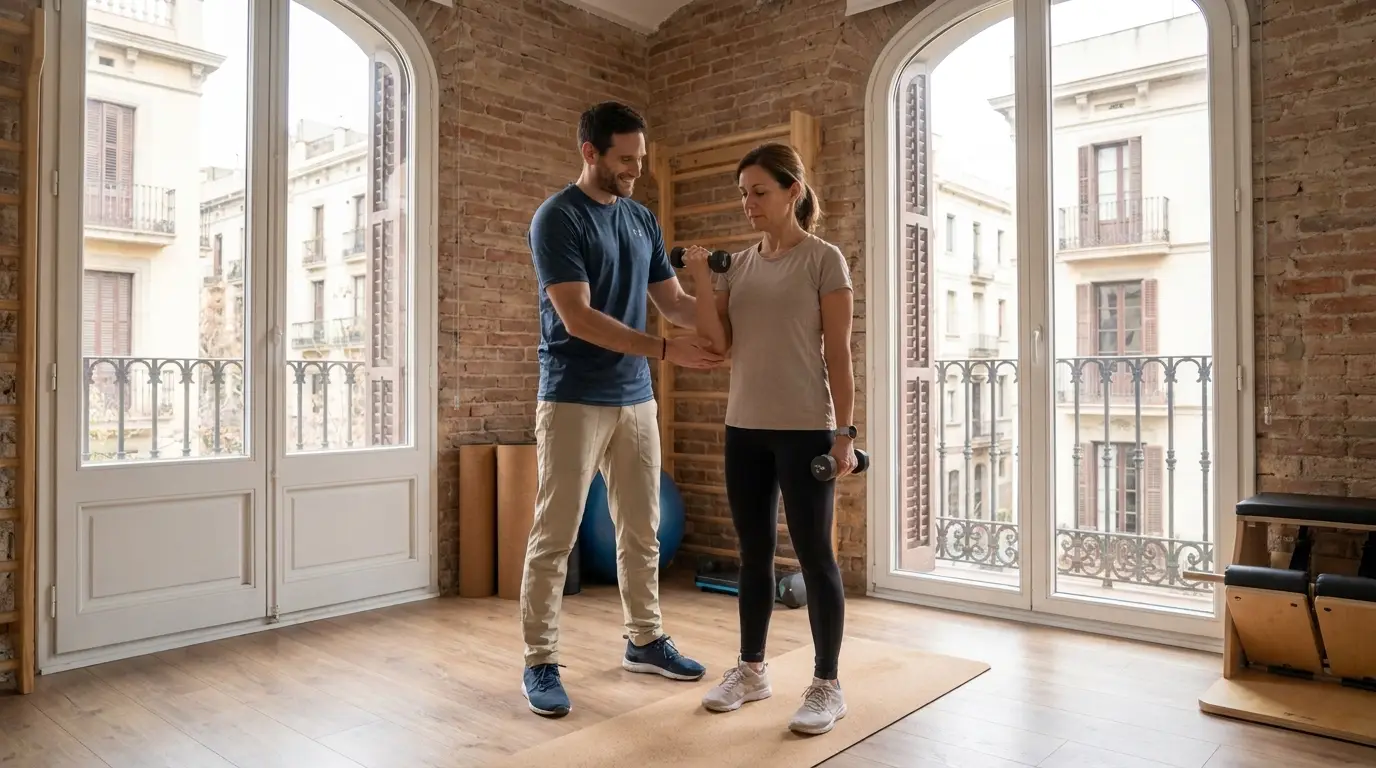
For some people, coaching makes the process feel much easier. A personalized approach can help with exercise selection, tracking progress, building confidence, and learning safe technique over time. It can be especially useful when old injuries, menopause-related changes, or more advanced training goals are part of the picture, since that’s often when extra support is most helpful.
Now It’s Your Turn to Train for Strength That Lasts
The biggest takeaway from 2026 is pretty simple. Strength training for women is no longer only connected to appearance. It’s also about keeping muscle, supporting everyday function, improving recovery, building confidence, and helping protect long-term women’s health. Research now shows that resistance training can improve muscle mass, strength, balance, mobility, and even bone-related outcomes across many stages of life, which matters a lot. In that context, strength work often matters for far more than what happens in the gym.
For someone just getting started, it helps to start small and stay consistent. If recovery from an injury is part of the picture, a gradual plan that respects the body usually makes more sense than rushing. For those with more experience, training should stay progressive and have a clear purpose. In any case, it helps not to focus only on short-term weight loss. Think instead about the kind of body that helps with carrying groceries, moving well, and staying independent over time.
A good fitness routine does not need to be perfect. It needs to fit, feel safe, and work in real life. Choose movements that can be done well, repeat them each week, track progress, support training with good recovery and nutrition, and get expert help if more guidance is needed. Most people will probably do better with a plan they can actually follow.
Don’t train as punishment. Build strength that stays with you.
The featured image of this article was generated with AI.