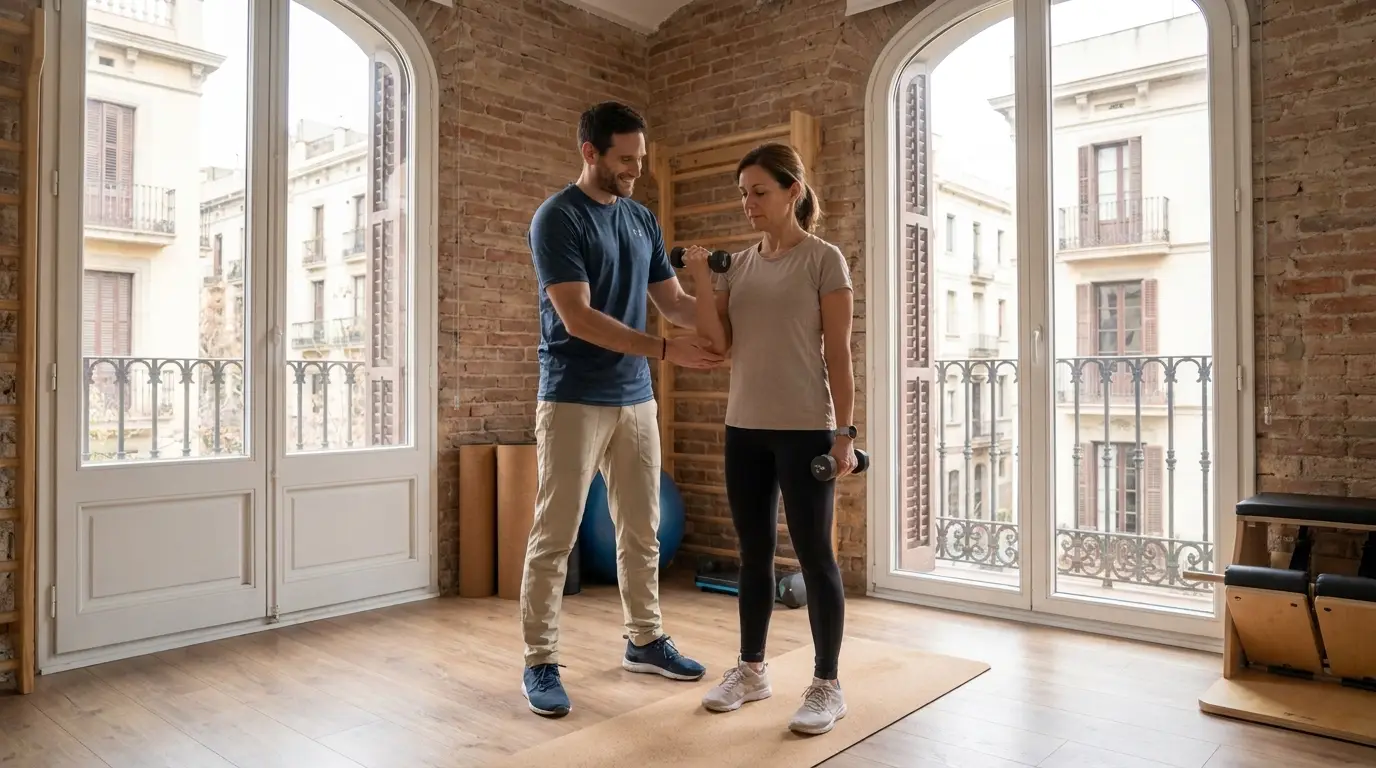
Recovering from a sports injury can be one of the most challenging phases in an athlete’s journey — both physically and mentally. Whether you’re a weekend warrior, a dedicated gym-goer, or a professional athlete, the path back to full strength often requires more than just rest. This is where rehabilitation with exercise plays a crucial role. It’s not just about regaining mobility; it’s about rebuilding confidence, preventing re-injury, and enhancing overall performance.
In this guide, we’ll explore how exercise-based rehabilitation works, why it’s essential for sports recovery, and how you can implement it effectively. We’ll also look at common mistakes, advanced strategies, and real-world examples to help you navigate the process.
Rehabilitation is not just about healing injuries; it’s about restoring optimal function so athletes can return stronger than before.
— Dr. Karen Smith
Understanding Rehabilitation with Exercise
Rehabilitation with exercise is a structured program designed to restore strength, flexibility, balance, and coordination after injury. It typically combines physical therapy principles with targeted exercise routines to support recovery. Unlike passive treatments, this approach actively engages the body in its healing process.
Key components include:
- Assessment of injury severity and functional limitations
- Progressive exercises tailored to the individual’s needs
- Functional training to simulate sports-specific movements
- Ongoing evaluation to track progress and adjust plans
The benefits extend beyond recovery. Research published in the British Journal of Sports Medicine highlights that structured rehab programs can reduce re-injury risk by up to 50%.
| Rehab Component | Purpose | Example |
|---|---|---|
| Strength Training | Restore muscle power | Weight training |
| Flexibility | Improve range of motion | Dynamic stretching |
| Balance Work | Enhance stability | Single-leg stance drills |
As seen above, a balanced approach addresses multiple aspects of recovery, ensuring the athlete is not just healed, but fully prepared for return to sport.
The Science Behind Recovery
When injury occurs, the body undergoes a cascade of healing phases — inflammation, proliferation, and remodeling. Exercise rehabilitation is carefully timed to align with these phases, ensuring optimal healing without aggravating the injury.
During early stages, low-intensity mobility work promotes blood flow and prevents stiffness. As healing progresses, resistance training helps rebuild muscle and connective tissue strength. Finally, plyometric and sport-specific drills prepare the body for the demands of competition.
This scientific approach ensures that exercises are not just random workouts but targeted interventions that complement the body’s natural healing.
Step-by-Step Rehabilitation Process
A well-structured rehabilitation plan typically follows these stages:
1. Initial Assessment
A sports medicine professional evaluates the injury, mobility, and functional capabilities. This sets the baseline for the program.
2. Early Recovery
Focus is on gentle mobility, reducing swelling, and maintaining cardiovascular health through low-impact activities.
3. Progressive Strengthening
Gradual introduction of resistance training to restore muscle mass and tendon resilience.
4. Functional Training
Incorporating movements that mimic sport-specific patterns — for example, lateral movements for tennis players or jumping drills for basketball athletes.
5. Return-to-Play
Final phase where intensity and complexity are increased to match pre-injury levels.
Skipping the functional training stage is one of the biggest mistakes athletes make; it often leads to re-injury.
— Coach Mark Evans
Common Mistakes to Avoid in Exercise Rehabilitation
While the benefits are clear, there are pitfalls that can slow progress or cause setbacks:
- Rushing the process: Returning to full activity too soon can undo weeks of recovery.
- Ignoring pain signals: Discomfort is expected, but sharp pain is a warning sign.
- Neglecting flexibility and balance: Strength alone is not enough for safe return.
- Skipping professional guidance: Self-directed rehab often misses critical steps.
According to a 2023 survey by the American Physical Therapy Association, 68% of athletes who re-injured themselves admitted they had not completed their recommended rehabilitation program.
| Mistake | Impact | Prevention |
|---|---|---|
| Returning too early | Re-injury risk | Follow medical clearance |
| Ignoring pain | Worsening injury | Communicate with therapist |
| Skipping flexibility | Limited mobility | Include stretching drills |
Recognizing these mistakes early can save months of additional recovery time.
Advanced Techniques in Rehabilitation with Exercise
For athletes looking to optimize their recovery and performance, advanced methods can be incorporated:
- Neuromuscular training: Enhances the brain-muscle connection for better coordination.
- Blood flow restriction training: Builds strength with lighter loads, reducing joint stress.
- Isokinetic exercises: Maintain constant muscle tension for targeted strengthening.
- Underwater treadmill running: Reduces impact while maintaining cardiovascular conditioning.
These techniques should always be supervised by trained professionals to ensure safety and effectiveness.
Tools and Resources for Effective Rehab
Modern rehabilitation programs benefit from a variety of tools and technologies:
- Wearable trackers to monitor movement and load
- Resistance bands for progressive resistance
- Balance boards to improve stability
- Mobile apps for guided rehab programs and progress tracking
Some rehabilitation clinics also use motion analysis systems to provide real-time feedback on form and mechanics.
Conclusion
Rehabilitation with exercise is more than a recovery tool — it’s an opportunity to return to your sport stronger, more resilient, and better prepared than before. By following a structured, science-backed program, and avoiding common mistakes, you can significantly reduce your risk of re-injury and improve overall athletic performance.
If you’re recovering from an injury, don’t rush the process. Seek professional guidance, commit to your program, and embrace the journey as a chance to enhance your skills and conditioning.
Your future performance — and long-term health — will thank you for it.