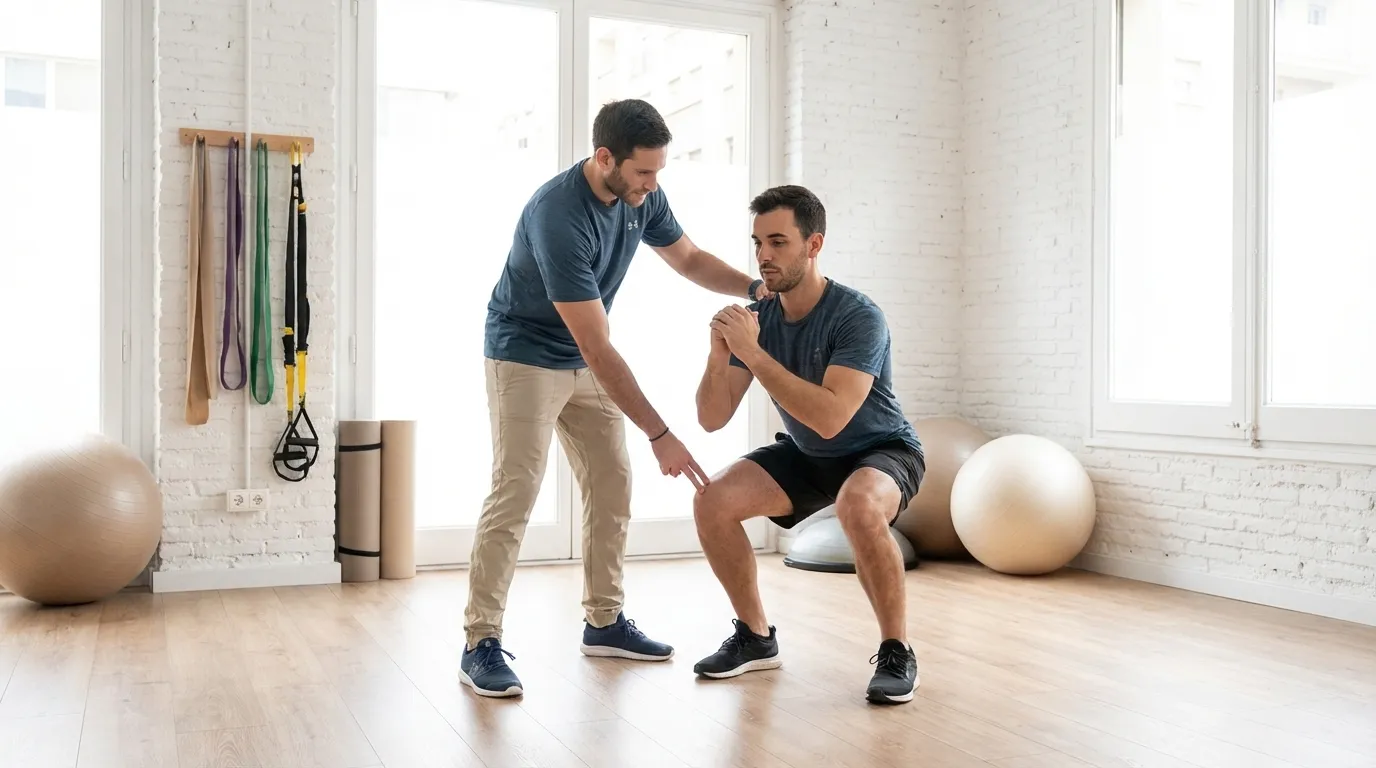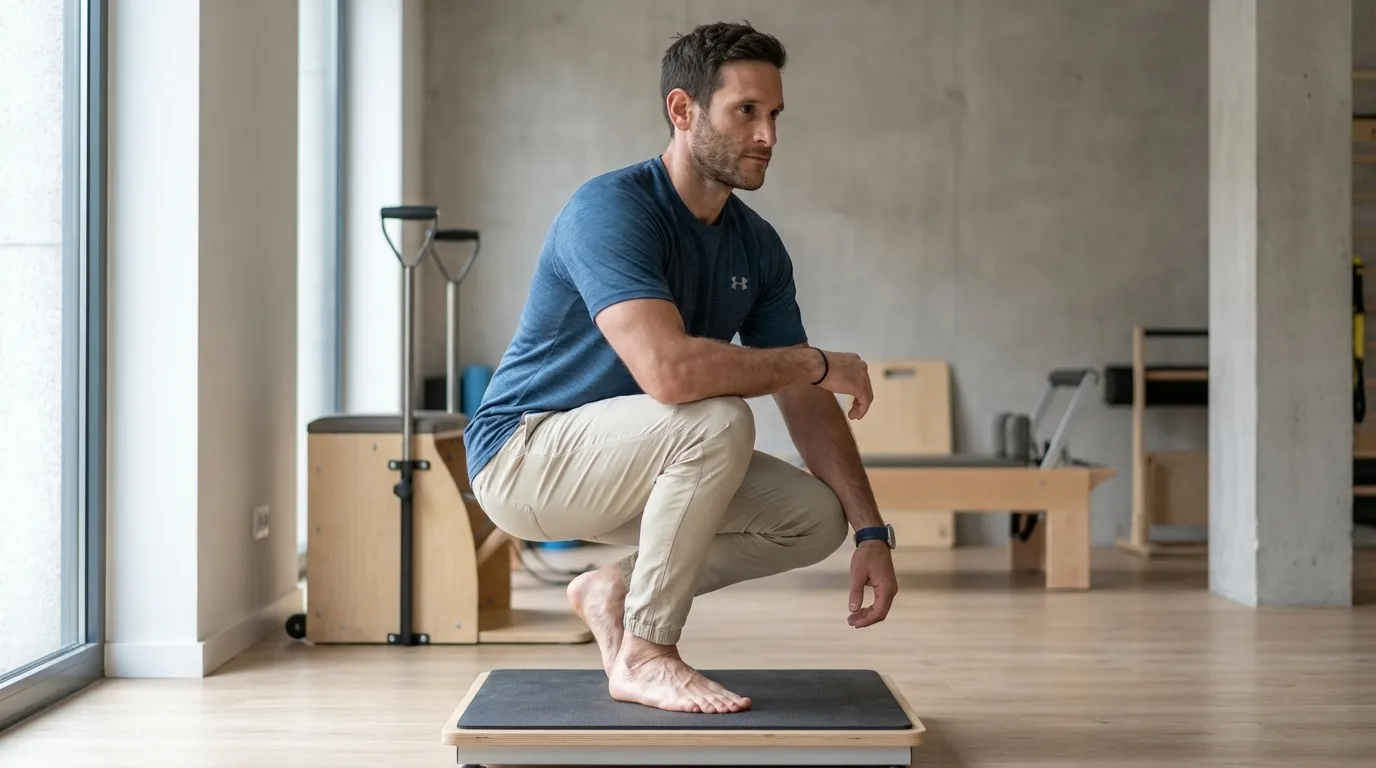
Starting a fitness journey can feel exciting, but keeping track of your progress is where the real transformation happens. Whether you’re aiming to improve strength, boost cardiovascular health, recover from injury, or simply stay active, tracking tools and apps can turn goals into measurable results. In 2025, technology offers more options than ever — from AI-powered coaching to wearable integration — helping you stay consistent, motivated, and informed.
Why Tracking Your Fitness Journey Matters
Tracking isn’t just about numbers. It’s about creating a feedback loop between your actions and your goals. When you log your workouts, monitor nutrition, and assess recovery, you gain actionable insights that can guide future decisions. Research from FitBudd (2025) shows the global fitness app market is set to surpass $25 billion, fueled by personalization and wearable integration. This surge reflects a growing recognition that consistent tracking can dramatically improve adherence to fitness programs and enhance long-term health outcomes.
What gets measured gets managed.
— Peter Drucker
Consistent tracking can identify plateaus, celebrate small wins, and ensure your training aligns with your evolving needs. This is especially crucial for injury recovery programs, where monitoring progress helps prevent setbacks. For example, tracking range of motion improvements after physiotherapy can validate progress and highlight when it’s safe to increase intensity, reducing the risk of reinjury.
Choosing the Right Fitness Tracking Apps
With thousands of apps available, finding one that fits your lifestyle is key. Consider factors like workout type, integration with wearables, nutritional guidance, and social features. Think about whether you prefer guided video sessions, customizable workout plans, or data-heavy performance metrics — each app offers a different mix of these elements, so matching them to your preferences is essential.
| App | Best For | Key Features |
|---|---|---|
| ManuXTrain | All-in-One | AI workouts, nutrition plans, wellness tracking |
| Nike Training Club | Variety | 480+ free workouts, professional guidance |
| Strava | Endurance Sports | Running/cycling tracking, social sharing |
| Gymverse | Strength Training | Wearable integration, progressive overload tracking |
| MyFitnessPal | Nutrition | Barcode scanning, macro tracking |
As the table shows, each app serves a specific purpose. For example, Strava excels for runners and cyclists, while MyFitnessPal focuses on nutrition. All-in-one solutions like ManuXTrain combine multiple functions, making them ideal for comprehensive tracking. Evaluating your specific goals — whether it’s weight loss, endurance building, or muscle gain — will help narrow down the best app for you.
Leveraging Wearable Technology
Wearables remain the #1 fitness trend for 2025 according to ACSM. Devices like Fitbit Inspire 3, Apple Watch Series 9, and Galaxy Watch6 provide real-time data on heart rate, sleep, steps, and more. The Fitbit Inspire 3, for instance, has a 0.32% step count error and long battery life, making it a reliable choice. These devices can also track advanced metrics such as VO2 max, resting heart rate trends, and workout intensity zones, offering deeper insights into your training effectiveness.
The future of fitness tracking is hyper-personalization — apps must adapt to users’ evolving goals, health data, and lifestyle in real-time.
— Dr. Emily Carter
Integrating your wearable with a tracking app ensures seamless data flow. This means your morning run, strength session, and evening yoga can all be logged automatically, reducing manual input and improving accuracy. Over time, these integrations can help identify patterns — like which workouts produce the best recovery scores — enabling smarter training decisions.
AI-Powered Coaching and Personalization
AI-driven apps are transforming the fitness landscape. Instead of static programs, these platforms adjust workouts and nutrition based on your performance, recovery, and preferences. This dynamic personalization can increase program adherence by keeping routines fresh and aligned with your current fitness level.
John Michaels, a fitness technology consultant, notes: “AI coaching doesn’t just tell you what to do; it learns from your performance, adjusts your plan, and keeps you motivated through data-driven insights.”
If you’re recovering from injury, AI can tailor exercises to your current capabilities, gradually increasing intensity. For bodybuilding, it can adjust lifting protocols to optimize hypertrophy while preventing overtraining. This adaptive approach mirrors what professional coaches do — but with the convenience of your phone. Additionally, AI can factor in lifestyle changes such as travel schedules or stress levels, ensuring your plan remains realistic and effective.
Gamification for Motivation
Retention rates for fitness apps have historically been low, but gamification is changing that. By introducing challenges, badges, and leaderboards, apps make progress feel like a game. These gamified elements encourage consistent engagement by turning routine activities into rewarding achievements.
| Gamification Feature | Impact on Retention | Example |
|---|---|---|
| Badges | +15% retention | Nike Training Club |
| Leaderboards | +20% retention | Strava |
| Streak Tracking | +12% retention | MyFitnessPal |
These features tap into our natural desire for achievement and social recognition. When you see friends completing challenges or maintaining streaks, it fuels your drive to keep going. For instance, hitting a 30-day streak can become a powerful motivator, reinforcing discipline and habit formation.
For deeper strategies on keeping workouts engaging, you can explore Ultimate Guide to Advanced Functional Training Techniques, which details how to blend technology and functional training for long-term motivation.
Tracking Beyond Workouts: Nutrition, Sleep, and Recovery
True progress requires more than just logging workouts. Nutrition affects energy and recovery, sleep impacts performance, and recovery strategies prevent burnout. Ignoring these areas can lead to plateaus, injuries, or reduced motivation over time.
Apps like MyFitnessPal provide detailed macro tracking, while wearables like Apple Watch monitor sleep quality. Combining these metrics gives a holistic view of your fitness journey. By tracking hydration levels, micronutrient intake, and sleep cycles, you can make data-backed adjustments that improve overall wellness.
For example, if your app shows consistent poor sleep before heavy training days, you can adjust your schedule or recovery protocols. Nutritional tracking can reveal deficiencies impacting your performance, helping you make targeted dietary changes. Incorporating recovery tools like foam rolling or guided stretching sessions can further enhance results.
For evidence-based nutrition insights, see Nutrition Myths Debunked for Fitness Success, which clears common misconceptions that might hinder your results.
Community and Social Integration
Sarah Nguyen, CPT, highlights: “Social integration in fitness apps boosts accountability. People stick with routines when they share progress and challenges with peers.”
Apps with community features — like Strava clubs or Nike Training Club groups — allow you to connect with others, share milestones, and get encouragement. This mirrors the benefits of in-person group training, fostering consistency and enjoyment. Online communities can also provide tips, workout ideas, and moral support during challenging phases.
If you’re motivated by shared goals and stories, Community Support Fuels Inspiring Fitness Success offers real-life examples of how community connections drive transformation. Participating in events such as virtual races or group challenges can deepen your commitment and make the journey more enjoyable.
Industry Trends and Future Outlook
Looking ahead, expect deeper integration between wearables, apps, and health services. AI will continue to refine personalized training, and hybrid models combining in-person coaching with app-based tracking will grow. Nutritional guidance will become more precise, using biometric data to create meal plans aligned with training cycles. These innovations aim to make fitness support more accessible, even for those with busy lifestyles.
Recovery-focused programming will also expand, with apps tracking HRV (heart rate variability) to suggest rest days or lighter sessions. As mental health gains recognition in the fitness space, expect tools that monitor stress and mood alongside physical metrics, creating a more comprehensive wellness profile.
Implementing Your Tracking Strategy
To make the most of tracking tools:
- Choose an app aligned with your goals and preferred activities.
- Sync it with a wearable for accurate, automatic data.
- Use AI-powered features to adjust plans dynamically.
- Engage with social or community elements for accountability.
- Monitor nutrition, sleep, and recovery alongside workouts.
- Gamify your experience to maintain interest.
By combining these strategies, you’ll create a system that not only logs your progress but actively guides you toward success. Regularly reviewing your data helps identify trends and make proactive changes, ensuring that your efforts remain effective and aligned with your evolving objectives.
Conclusion
Tracking your fitness journey isn’t about obsessing over numbers — it’s about gaining clarity, staying consistent, and making informed adjustments. In 2025, the best apps and tools offer personalization, integration, and motivation, making it easier than ever to stay on track. Leveraging these resources allows you to focus on what matters most: steady, sustainable progress.
Whether you’re training for a marathon, rebuilding strength after injury, or simply looking to improve your overall wellness, the right combination of apps, wearables, and tracking habits can transform your results. Start small, stay consistent, and let the data guide your path to lasting health and performance. By embracing technology as an ally rather than a distraction, you can maximize your potential and achieve goals that once felt out of reach.
Remember: technology is a tool — your commitment turns it into success.