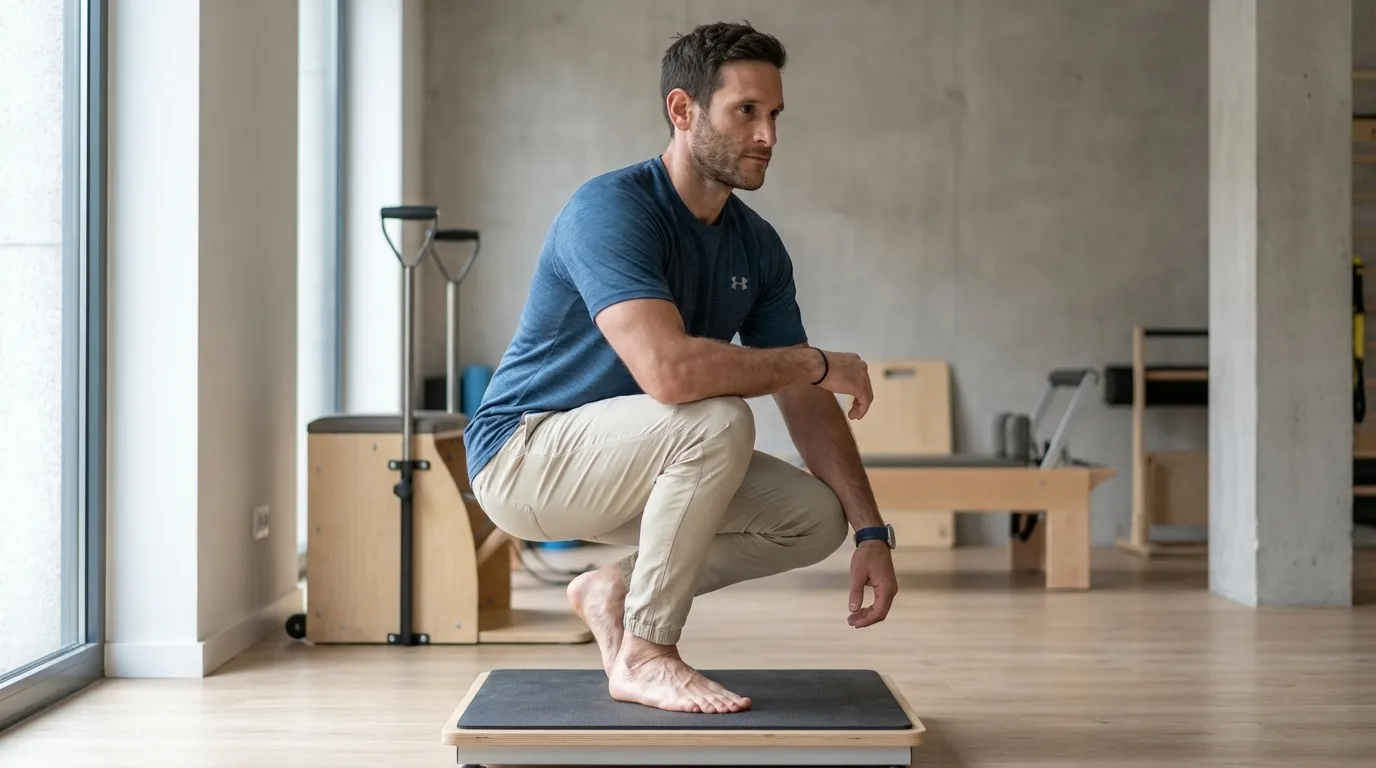
Maintaining your fitness routine throughout the year can be challenging. Weather changes, daylight hours, and seasonal events often disrupt our workout schedules. Yet, staying active in every season is critical for both physical and mental health. Seasonal fitness isn’t just about adjusting workouts—it’s about embracing the unique opportunities each season offers.
By understanding how seasonal conditions affect your body and motivation, you can adapt your approach to ensure consistent progress. This article will explore practical, research-backed strategies for seasonal fitness, helping you stay active and healthy all year.
Professionals integrating mental health awareness, recovery practices, stress management, and sleep hygiene into their programs are achieving more enduring client engagement.
— Dr. Cedric Bryant
Winter: Staying Active When It’s Cold
Winter often brings a drop in physical activity—CDC data shows activity levels can decrease by up to 20% compared to summer. Cold temperatures, shorter days, and holiday indulgences can make it harder to stay consistent.
To overcome these challenges:
- Use indoor workout options like treadmills, rowing machines, or resistance bands.
- Explore online fitness classes for convenience and variety.
- Dress in moisture-wicking layers for outdoor activities to regulate temperature.
- Prioritize vitamin D intake through diet or supplementation.
Adding variety to your winter fitness plan can keep motivation high. For example, alternating between strength training, yoga, and cardio helps target different muscle groups while reducing boredom. Group classes—whether in-person or virtual—can provide social support that counters the isolation some feel during colder months. Additionally, research from the National Institutes of Health suggests that maintaining at least 150 minutes of moderate activity weekly during winter can help regulate mood and reduce seasonal affective disorder symptoms.
| Season | Activity Change | Popular Workouts |
|---|---|---|
| Winter | -20% | Indoor HIIT, Yoga, Resistance Bands |
| Summer | +30-40% | Cycling, Swimming, Running |
As shown above, seasonal shifts impact participation significantly. Indoor options and strategic layering can help maintain consistency even in cold months.
Spring: Renewed Energy and Outdoor Opportunities
Spring offers longer daylight hours and milder temperatures, making it perfect for outdoor activities. Transitioning from winter requires careful attention to mobility and flexibility to prevent injury.
Recommended strategies:
- Join outdoor running or cycling groups.
- Incorporate dynamic stretches to prepare muscles for increased activity.
- Explore hiking trails to enjoy nature while improving cardiovascular health.
- Use wearable tech to track progress and set seasonal goals.
In addition to cardio-based outdoor workouts, spring is an excellent time to reintroduce plyometric exercises like jump squats or box jumps, which build explosive strength. Allergy management is also important—consider timing workouts for early morning or post-rain periods to reduce pollen exposure. Studies show that exercising in green spaces during spring can improve mental well-being by up to 20%, so embracing the outdoors can benefit both body and mind. You can integrate functional training methods to prepare your body for diverse movements. Our guide on Ultimate Guide to Advanced Functional Training Techniques can help tailor your spring routine.
People are now understanding the beneficial impact of not just improving cardiovascular health or strength, but combining the two.
— Jonny Kibble
Summer: Maximizing Warm Weather Fitness
Summer brings a surge in outdoor activity—Vitality reports a 30–40% increase in participation. However, heat stress can be a concern.
Practical summer fitness tips:
- Schedule workouts early morning or late evening to avoid peak heat.
- Increase hydration and include electrolyte-rich foods.
- Try seasonal sports like paddleboarding, beach volleyball, or open-water swimming.
- Use sun protection to safeguard skin health.
Another effective summer strategy is incorporating interval training in water-based activities to reduce heat strain while boosting cardiovascular fitness. For example, alternating swimming sprints with recovery laps can be highly effective. Consider joining local sports leagues or charity events, which can enhance motivation and social engagement. Research shows that exercising in temperatures above 30°C requires adjustments in intensity and duration to prevent overheating. Wearing light-colored, breathable fabrics and planning shaded workout routes can further protect performance and health. Balancing intensity with safety is key. If you enjoy tracking performance, see our article Tracking Your Fitness Journey: Top Apps & Tools 2025 for tech solutions to maintain motivation during summer.
Fall: Building Strength and Endurance
Fall’s cooler weather is ideal for endurance training and strength-building. It’s also a great season for joining charity runs or hiking events.
Focus areas:
- Increase resistance training to prepare for winter inactivity risks.
- Embrace trail running for variety and improved stamina.
- Join seasonal challenges to stay engaged.
Fall also provides an opportunity to reassess long-term fitness goals and refine training plans. Incorporating progressive overload in strength training during this period can lead to significant gains before winter. Outdoor workouts benefit from stable temperatures, allowing for longer sessions without heat or cold stress. Nutrition resets are particularly effective now—reducing sugar intake and increasing nutrient-dense seasonal produce such as squash and root vegetables can fuel performance. Check out Nutrition Myths Debunked for Fitness Success for evidence-based eating strategies.
Adapting Across All Seasons
No matter the time of year, consistency is the foundation of fitness success. Wearable tech can be a powerful ally—users of fitness trackers are 40% more likely to meet daily activity goals year-round.
Key principles:
- Adjust workout intensity and type based on environmental factors.
- Maintain mental health through mindfulness, quality sleep, and social connections.
- Use seasonal goals to keep routines fresh.
Another valuable tactic is periodization—structuring your training plan in cycles aligned with seasonal conditions. For example, focus on building endurance in spring and summer, then shift towards strength and recovery in fall and winter. Incorporating mental resilience techniques, such as visualization and goal-setting, helps sustain motivation when weather or lifestyle changes disrupt routines. Regularly reviewing progress ensures that your strategy evolves with your needs and environment.
To have a healthy year-round routine, focus on managing stress through mindfulness practices, quality sleep, and strong social connections.
— UCLA Health
Industry Trends and Future Outlook
2025 brings exciting advancements in seasonal fitness:
- AI-powered coaching offers season-specific workout plans.
- Hybrid models blend online and outdoor training.
- Holistic wellness programs integrate nutrition, recovery, and mental health.
Additionally, emerging wearable devices are incorporating environmental sensors to automatically adjust workout recommendations based on temperature, humidity, and air quality. Virtual reality fitness platforms are expanding to simulate seasonal environments for those unable to train outdoors, offering immersive experiences that keep routines engaging. The trend towards personalized health ecosystems means that in the near future, individuals will have access to integrated data from fitness, sleep, and nutrition trackers, enabling highly customized seasonal strategies.
Tools and Resources
To implement seasonal fitness strategies effectively:
- Invest in quality gear suitable for each season.
- Explore fitness tracking apps to monitor progress.
- Join local or virtual communities for accountability.
When selecting tools, consider apps that provide adaptive training plans and seasonal reminders, such as adjusting hydration goals in summer or recommending indoor alternatives during severe winter weather. High-quality gear—like moisture-wicking clothing for winter or UV-protective apparel for summer—can significantly improve comfort and safety. Communities can be powerful motivators—see Community Support Fuels Inspiring Fitness Success to understand how group engagement drives transformations.
Conclusion
Seasonal fitness is about more than adjusting workouts—it’s a holistic approach to health that embraces the strengths of each season. By adapting routines, leveraging technology, and maintaining mental wellness, you can stay active and healthy year-round.
Action steps:
- Identify seasonal challenges in your environment.
- Plan workouts and nutrition strategies accordingly.
- Track your progress consistently.
- Engage with supportive communities.
Think of seasonal fitness as a long-term investment in resilience—both physical and mental. Each season offers unique benefits, from winter’s focus on indoor strength work to summer’s abundance of outdoor cardiovascular options. By anticipating changes and preparing strategies in advance, you minimize disruptions and maximize progress. Your body and mind thrive on consistency. With the right strategies, every season becomes an opportunity to grow stronger, healthier, and more resilient.