Patellofemoral syndrome, often referred to as runner’s knee, can be a frustrating and sometimes chronic condition. Whether you’re an athlete, a weekend warrior, or someone who simply enjoys staying active, the pain around the kneecap can disrupt your fitness goals. The good news? With the right combination of physical therapy, targeted exercise, and strength training, rehabilitation is achievable — and long-term knee health is within reach.
In this article, we’ll explore the science behind patellofemoral syndrome, why personalized fitness solutions matter, and how structured rehabilitation can help you return to — and even exceed — your previous activity levels. We’ll also discuss advanced training techniques for those looking to maintain wellness and longevity in their fitness journey.
Rehabilitation for patellofemoral syndrome isn’t just about reducing pain — it’s about restoring optimal movement patterns and preventing recurrence.
Understanding Patellofemoral Syndrome
Patellofemoral syndrome (PFS) is characterized by pain at the front of the knee and around the patella (kneecap), often aggravated by running, squatting, climbing stairs, or sitting for prolonged periods. It typically results from imbalances in muscle strength, poor movement mechanics, or overuse.
Research suggests that up to 23% of the general population will experience PFS at some point, with higher incidence in active individuals. This makes it a common condition for personal trainers, physical therapists, and fitness coaches to address.
| Cause | Description | Common in |
|---|---|---|
| Overuse | Repetitive stress on the knee joint without adequate recovery | Runners, athletes |
| Muscle imbalance | Weak hip abductors and quadriceps alter knee tracking | Sedentary and active individuals |
| Poor biomechanics | Improper gait or movement patterns increase patellar stress | All demographics |
A thorough assessment by a physical therapist is key. This often includes analyzing gait, strength, flexibility, and functional movement patterns to identify underlying contributors.
The Role of Physical Therapy in Recovery
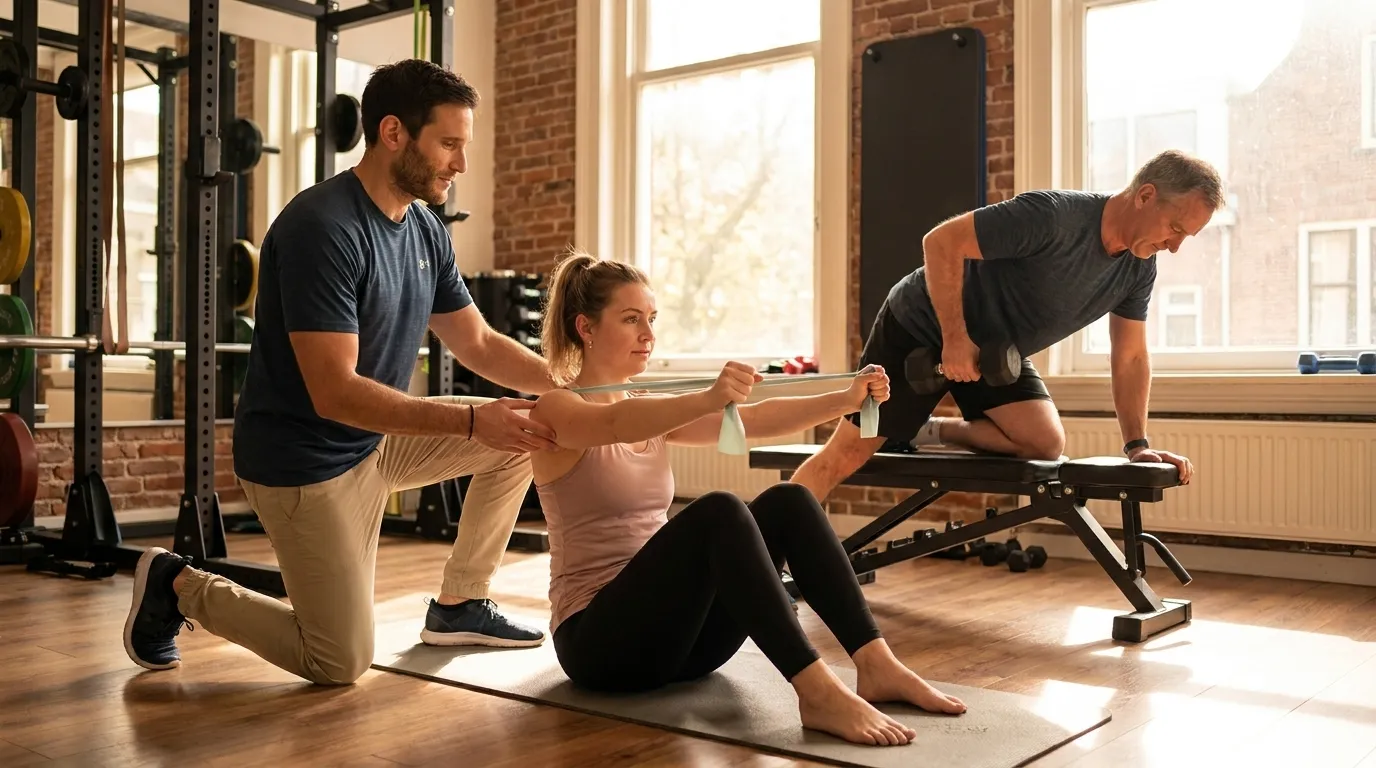
Physical therapy provides a structured, evidence-based approach to PFS rehabilitation. Treatment typically involves:
- Pain management through modalities like ice, taping, or manual therapy
- Restoring range of motion and flexibility
- Correcting muscle imbalances
- Retraining movement patterns
A physical therapist will often incorporate progressive loading — starting with low-impact exercises and gradually increasing challenge as the knee adapts. This approach minimizes the risk of aggravating the injury while promoting tissue healing.
Strength Training for Long-Term Knee Health
Strength training is a cornerstone of both rehabilitation and prevention for PFS. Targeting the muscles around the hip, thigh, and core can improve patellar tracking and reduce strain on the knee.
Key exercises include:
- Glute bridges and resisted abductions for hip stability
- Step-ups and split squats to strengthen quads and glutes in functional patterns
- Core stability work to maintain proper alignment during movement
Building lower body strength isn’t just about performance — it’s essential for joint protection and longevity.
Progression is important. Start with bodyweight movements, then add resistance bands or free weights as tolerated. Proper form is critical; poor technique can undo your efforts and prolong recovery.
Integrating Exercise into Daily Life
For many, the biggest challenge isn’t knowing which exercises to do — it’s making them a consistent habit. Integrating rehabilitation exercises into your regular fitness routine ensures ongoing benefits.
Strategies include:
- Scheduling short, focused sessions multiple times per week
- Using warm-up time for mobility and activation drills
- Including unilateral (single-leg) work to address side-to-side imbalances
At EmpowerFit, we design customized programs that blend rehab protocols with overall strength and conditioning goals. This personalized approach supports both recovery and long-term performance.
Advanced Training Techniques for Ongoing Wellness
Once symptoms subside and functional strength returns, advanced training can help maintain knee health and overall fitness longevity. Examples include:
- Plyometric drills (when appropriate) to improve power and joint resilience
- Functional training to mimic sport-specific or daily movement demands
- Cardio cross-training like cycling or swimming to maintain cardiovascular health without overloading the knees
It’s also wise to track progress. Fitness tracking tools can monitor workload, detect fatigue, and guide recovery decisions.
| Training Method | Primary Benefit | When to Introduce |
|---|---|---|
| Plyometrics | Improves explosive strength and tendon resilience | Post-rehab, pain-free |
| Functional circuits | Enhances movement efficiency | After regaining baseline strength |
| Cross-training | Maintains cardio without knee strain | Throughout rehab and beyond |
Common Mistakes to Avoid
Even with the best intentions, certain missteps can slow recovery:
- Returning to high-impact activities too soon
- Ignoring hip and core strengthening in favor of only quad work
- Skipping warm-ups or mobility drills
- Neglecting gradual load progression
Avoiding these pitfalls can mean the difference between a temporary setback and a chronic issue.
Tools and Resources for Rehabilitation
Several tools can make PFS rehabilitation more effective:
- Resistance bands for targeted hip and glute activation
- Foam rollers for self-myofascial release
- Balance pads for proprioceptive training
- Mobile apps for tracking exercises and progress
Working with a knowledgeable coach or therapist ensures you’re using these tools correctly and effectively.
Conclusion
Patellofemoral syndrome doesn’t have to derail your fitness journey. With a strategic combination of physical therapy, strength training, and consistent exercise, you can rehabilitate your knee and protect it for the future. The process requires patience, attention to form, and a willingness to progress gradually.
The key takeaway? Don’t just aim for recovery — aim for resilience. By building strength, improving movement patterns, and committing to ongoing wellness, you set yourself up for a lifetime of active, pain-free living.