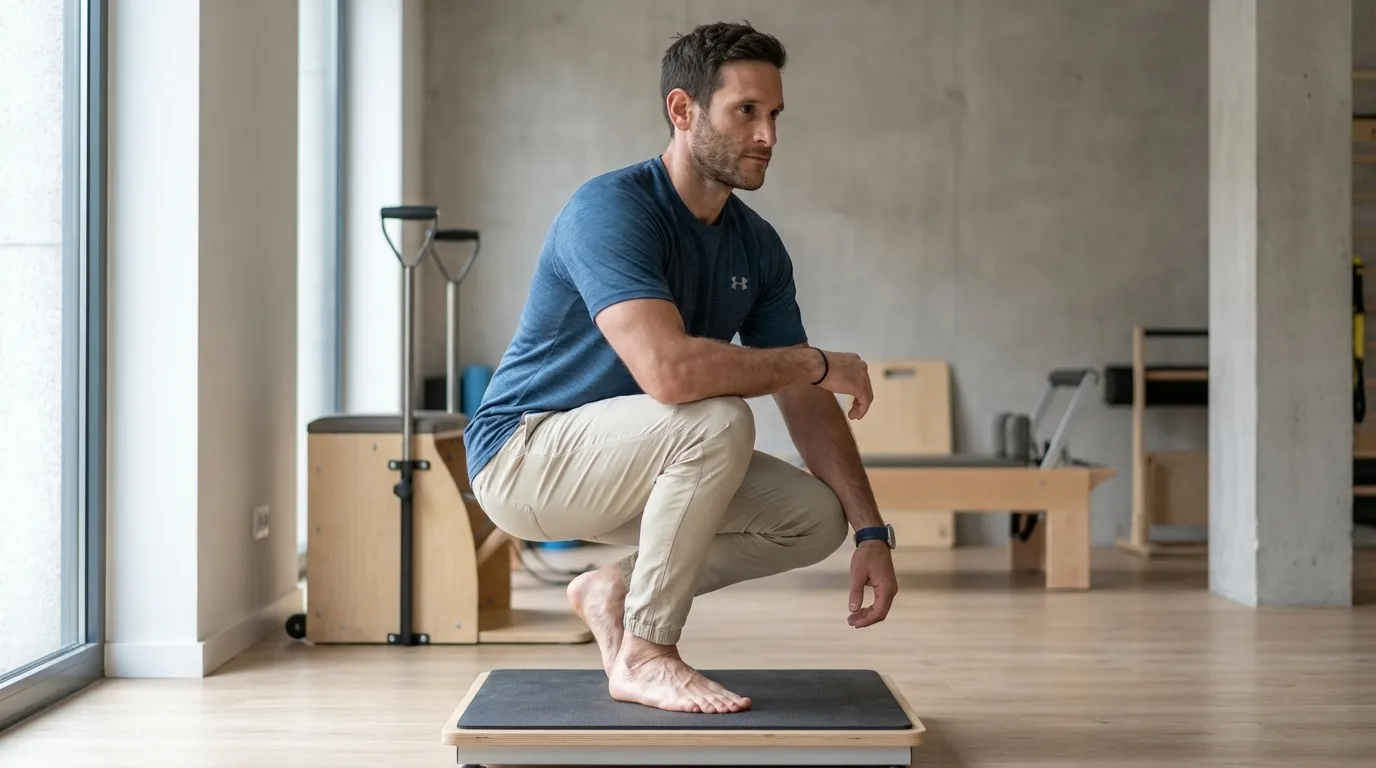
Cardiovascular health has never been more important than it is in 2025. With busy lifestyles, increased sedentary habits, and rising health concerns, finding effective ways to strengthen your heart and improve overall wellness is essential. Whether you’re recovering from an injury, starting your fitness journey, or seeking advanced training techniques, modern cardio workouts offer tailored solutions for every stage of life.
This article explores innovative cardio workouts designed to enhance cardiovascular health, provides strategies for integrating them into your fitness routine, and shows how personalized programs can deliver measurable results.
The Evolution of Cardio Workouts
Cardio training has transformed over the past decade. Traditional approaches like jogging or cycling remain popular, but technology, sports science, and wellness trends have expanded the possibilities. In 2025, cardio workouts are not just about endurance—they’re about personalization, efficiency, and sustainable results.
Cardio fitness is no longer one-size-fits-all. Today’s programs adapt to your health status, goals, and lifestyle for maximum benefit.
— Dr. Emily Carter
Recent research highlights that 150 minutes of moderate-intensity cardio per week can reduce the risk of heart disease by up to 40%. However, personalized fitness programs often achieve these benefits faster by targeting specific needs.
| Workout Type | Best For | Key Benefit |
|---|---|---|
| Low-impact cycling | Injury recovery | Joint-friendly cardiovascular improvement |
| HIIT | Advanced fitness | Rapid endurance and calorie burn |
| Functional circuit training | All levels | Improved mobility and heart health |
These workouts cater to different fitness levels, ensuring that cardiovascular health can be enhanced without compromising safety.
Personalized Cardio for Recovery and Rehabilitation
Recovery-focused cardio programs are a game-changer for those returning from injury or surgery. Low-impact modalities like swimming, recumbent cycling, and elliptical training reduce strain on joints while keeping the heart engaged. Integrating functional movements enhances strength and mobility during rehabilitation.
For example, combining short bouts of low-resistance cycling with light strength work can accelerate recovery while maintaining cardiovascular health. This is especially effective when guided by professional coaches who understand post-injury limitations.
If you want to dive deeper into how exercise supports recovery, read our detailed guide on Rehabilitation with exercise.
Advanced Training Techniques for Peak Cardio Performance
For experienced athletes and fitness enthusiasts, 2025 offers cutting-edge cardio methods like High-Intensity Interval Training (HIIT), sport-specific conditioning, and hybrid workouts combining strength and cardio in one session. These approaches push endurance boundaries while maintaining optimal heart rate zones for performance gains.
HIIT remains one of the most efficient ways to improve VO2 max and burn calories in minimal time. A typical session alternates between 30-60 seconds of intense effort and 1-2 minutes of recovery, repeated for 15-20 minutes.
HIIT’s adaptability makes it perfect for both elite athletes and busy professionals who want results without hours in the gym.
— James Lee
Explore more on advanced fitness strategies in our article on Mastering advanced training techniques.
Functional Cardio: Bridging Health and Daily Life
Functional training integrates cardio with movements that mimic real-life activities. In 2025, functional cardio circuits—combining kettlebell swings, resistance band work, and mobility drills—are popular for enhancing both cardiovascular health and daily performance.
This method benefits all fitness levels, offering scalable intensity. For older adults or those with limited mobility, exercises can be adapted to maintain heart health without overexertion.
Functional cardio also reduces injury risk by improving balance and coordination—critical factors for long-term wellness.
Tracking and Measuring Cardiovascular Progress
Modern fitness programs use wearable technology to monitor heart rate, calorie expenditure, and recovery times. Data-driven insights help tailor workouts for optimal results.
Common metrics include resting heart rate, maximum heart rate, and recovery heart rate. Consistent improvement in these areas indicates better cardiovascular fitness.
| Metric | Optimal Range | Significance |
|---|---|---|
| Resting heart rate | 60-80 bpm | Lower rates indicate stronger heart |
| Recovery heart rate drop | >20 bpm in 1 min | Faster recovery shows better fitness |
| VO2 max | 35-60 ml/kg/min | Higher values indicate superior endurance |
By tracking these numbers, you can adjust your program for continued progress.
Nutrition’s Role in Cardiovascular Health
No cardio program is complete without proper nutrition. Balanced meals rich in lean protein, healthy fats, and complex carbohydrates fuel workouts and aid recovery. Omega-3 fatty acids, found in fish and flaxseed, are particularly beneficial for heart health.
Hydration and micronutrients like magnesium and potassium also support cardiovascular function.
For more guidance, check out Crafting the perfect nutrition plan, which covers dietary strategies for optimal performance.
Conclusion: Your Path to Stronger Heart Health in 2025
Cardiovascular health in 2025 is about smarter, more personalized workouts. Whether you choose recovery-focused cardio, advanced HIIT, or functional circuits, the key is finding a program that fits your current fitness level and lifestyle.
By combining innovative training methods with proper nutrition and progress tracking, you can build a stronger heart, improve endurance, and enhance overall wellness.
The future of fitness is here—tailored, data-driven, and accessible to everyone. Start your journey today, and make your heart health a priority for years to come.