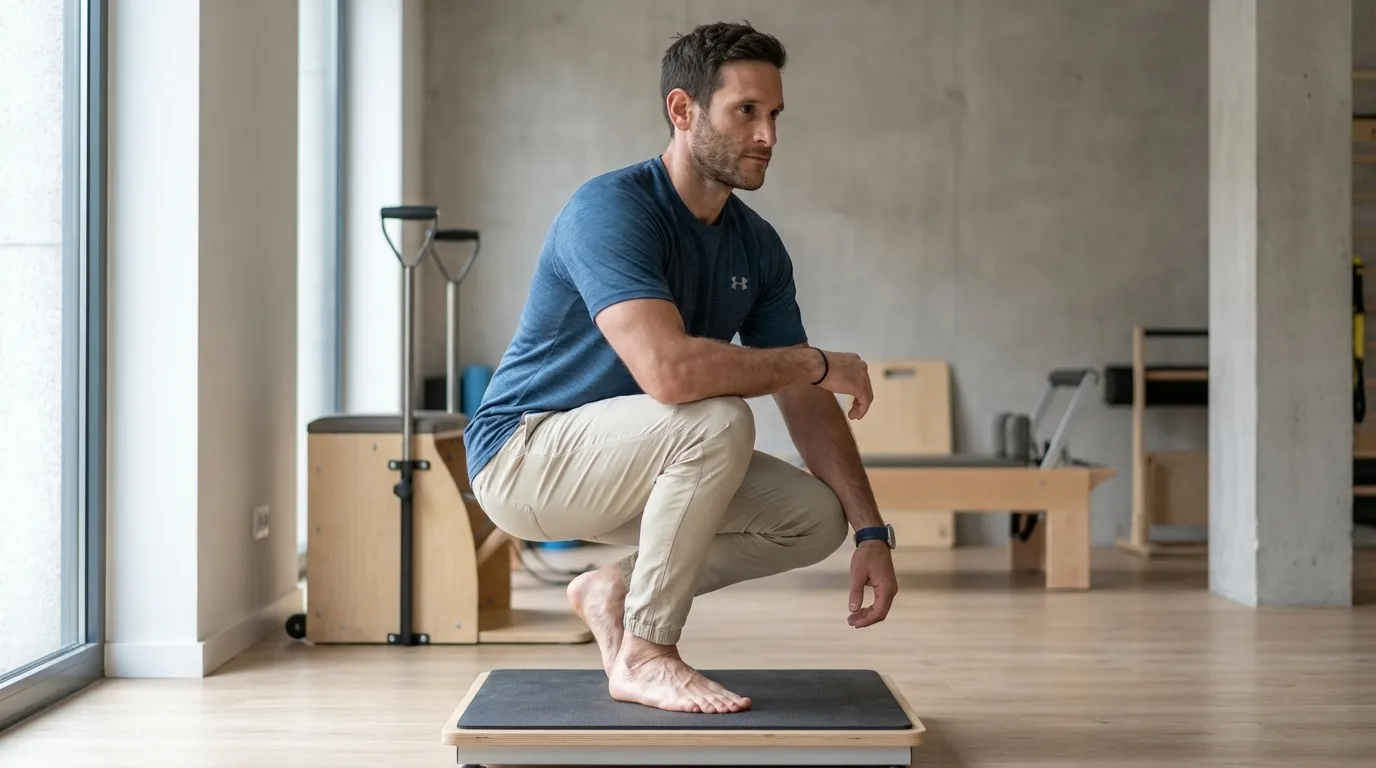
The first-week buzz is real. Starting a fitness journey usually feels exciting: you’re motivated, buy new clothes, and set big goals (that first-week buzz is real). Then reality hits. A few weeks later, life gets busy and your energy drops (work, family, random plans). Motivation fades, and a lot of people stop right there. The reason is pretty simple, I think. They leaned on motivation alone, and it doesn’t last. It often shows up strong at first, then quietly fades away.
For anyone who cares about fitness and overall wellness tied to long-term health, this matters more than most people expect. Real change comes from sticking with it over time. Consistency builds habits and helps protect your body as you age, supporting longevity and everyday quality of life (things like joints, strength, and movement). Motivation helps at the start, sure, but consistency carries you through regular weekdays when motivation is low.
That’s why this article looks at why consistency beats motivation every time. It covers habit building, strength training, injury recovery, and fitness tracking (the practical stuff). No fluff. Everything connects back to real life, especially for people looking for personal training in Barcelona, and those normal weeks when simply showing up matters most.
Why Motivation Fails and Consistency Wins in Fitness
Motivation is emotional, and it changes more than most people would like. Some mornings you wake up ready to train. Other days stress, poor sleep, or life in general gets in the way. That’s normal. Trouble usually starts when workouts depend on mood alone. That’s often where progress slips, not because of laziness, but because emotions aren’t steady.
Research keeps pointing to habits as the real driver behind daily actions. Around 66% of what people do each day is habit-based, not a new choice each time. The body tends to trust routines more than feelings. When training turns into a habit, the inner back-and-forth quiets down. You show up and get it done, even on low-energy days, without much fuss.
Science on habit-building backs this up. It’s not fancy, just steady over time.
| Metric | Value | Year |
|---|---|---|
| Median time to form a habit | 59, 66 days | 2025 |
| People who successfully form habits | 23% | 2025 |
| Daily behavior driven by habits | 66% | 2025 |
| Fitness drop-off point | 6, 8 weeks | 2025 |
These numbers help explain why many people quit right before habits start to feel automatic. They often think something is wrong with them. Most of the time, nothing is broken, they just needed more time. In fitness and bodybuilding, showing up regularly often beats intensity, like three steady strength sessions beating one all-out, motivation-driven workout.
Consistency Builds Habits That Support Longevity
Longevity usually comes from the quiet routines people repeat over years, not from short challenges or quick wins. The less exciting habits are often the ones that last. In my view, regular movement protects the heart and helps muscles, bones, and joints keep doing what they’re supposed to do, like legs handling daily walks and hips staying mobile. It also often supports mental health and everyday energy, which tends to matter most on regular workdays. There really aren’t many shortcuts that hold up over time.
Strength training becomes more important with age, often more than people expect at first. It helps slow muscle loss and keeps people steadier on their feet, which can lower injury risk on stairs or uneven sidewalks. Research suggests that people who train regularly are more likely to meet health guidelines and keep moving over time, even when progress feels slow. That steady effort usually adds up.
Frequency usually matters more than perfection. Missing one workout isn’t a big deal, but missing weeks often is. When training becomes routine, the body adapts in ways that last, as long as showing up stays consistent. Simple, but not always easy when life gets busy.
This is where personal training relies on structure. A coach gives clear exercises and a repeatable setup that cuts down on overthinking and saves mental energy. The process feels doable day to day, which helps during injury recovery or when dealing with long‑term pain.
Here’s a simple consistency framework:
- Training happens on the same days and times each week
- Short sessions tend to fit real life better
- Why chase max weight when good form supports progress?
- Simple tracking often makes progress easier to see
Motivation Is a Spark, Systems Are the Engine
Motivation isn’t useless. It often helps people start, which is usually the hardest step. The problem is how fast it can fade, sometimes sooner than expected. Systems are what usually keep things moving. They turn effort into habits that last week after week and support long-term progress. In everyday life, a system is less about a perfect plan on paper and more about how the week is set up, and how training fits around work, sleep, and normal responsibilities.
Fitness tracking often matters more than people think. Writing down workouts or daily steps gives clear, practical feedback. No hype, just real signals. That awareness often builds accountability without adding stress. And it doesn’t need fancy charts or complex apps. Simple notes work, and a note on your phone still counts.
Logging strength sessions, for example, can show progress that’s easy to miss day to day. Someone might feel stuck, but the numbers often say otherwise. Over a few months, watching a squat or press slowly go up builds a quiet confidence. That confidence helps people keep showing up when motivation is low or gone.
Many people in Barcelona choose personal training because it removes much of the guesswork. Sessions are planned ahead, progress is tracked, and changes are made based on recovery, sleep, and what that week really looks like, busy days included.
Here’s what often goes wrong when motivation is the only plan:
- Training too hard right away
- Skipping sessions when energy dips
- Switching programs every few weeks out of boredom
- Ignoring recovery, even as small aches start to appear
Real Results Come From Small, Repeated Actions
Real progress usually doesn’t come from perfect workouts. It comes from sessions you can actually keep doing. This pattern shows up across training, and it’s especially clear in rehab-focused programs built around recovery, which is often the least exciting part. Work you can repeat tends to matter more. Consistency usually beats intensity.
Think about two people on different paths.
Person A trains hard for three weeks, then stops.
Person B trains at a moderate level twice per week and keeps going for a full year.
Over time, the steady approach pays off. Person B builds strength that lasts. Joints adjust little by little, the nervous system learns to handle load better, and confidence often grows as sessions stack up, even when progress feels slow. That difference is usually what matters most.
In personal training, especially when injuries are involved, this kind of consistency matters even more. Healing tissue often responds best to regular, controlled stress over time, giving the body a safer way to rebuild.
Common mistakes include waiting for motivation, letting workouts run too long, overlooking sleep and stress (they often matter more than expected), and comparing progress to someone else’s timeline. It happens a lot.
How Technology Supports Consistent Fitness Training
Modern fitness tracking tools usually aren’t about pushing harder. They’re more about showing up, day after day, which often makes the real difference. Staying consistent tends to matter more than intensity in most cases. Wearables and apps help people see patterns over time, the boring but useful kind. Small signals and clear feedback add up, and that’s likely the main idea here.
What’s interesting is that trends suggest tracking helps people stick with it. People who track activity often keep training habits longer, even when motivation drops or schedules get messy, which happens to everyone. The goal is awareness, not pressure. Pressure, most of the time, works against progress, at least in my view.
And honestly, it’s simple stuff.
- Tracking steps can gently nudge daily movement and make quieter days stand out more clearly
- Logging workouts next to recovery often shows progress and shows when rest is needed
You’ll find that personal trainers often mix in-person coaching with digital tracking. This setup works well in busy cities like Barcelona, where life is full, but training still needs to feel personal, not robotic.
Why keep it simple? The best tools usually do. No clutter. When tracking feels stressful, it often gets dropped. Methods that fit into a normal day tend to stick, like a quick step check or a short recovery note after training.
Making Consistency Work in Real Life
What usually works best is when consistency fits around real life, not the other way around. That’s where personalized fitness really shows its value. A solid program often considers work hours, pays attention to changing energy levels, and keeps past injuries in mind. It’s rarely about doing more. It’s about keeping things simple enough to repeat without stress.
For people living in Barcelona, long workdays and travel stress are often part of daily life, and most people feel that from week to week. Those factors shape how training fits in. When a plan supports that rhythm, it tends to feel manageable instead of demanding.
Practical tips:
- Starting with just two to three sessions per week often works well
- Full‑body strength training can cover the basics in less time
- Light cardio usually supports overall heart health
- During stressful periods, the training load often needs adjusting
The Bottom Line: Build Habits That Last
Motivation feels good, and many people enjoy that early push, it’s exciting. But it often fades sooner than expected. Consistency can feel dull at first, even slow, yet it often changes lives in ways motivation doesn’t. Strength training works this way. Wellness grows from actions done day after day, not from plans that stay on paper.
If longevity is the goal, consistency matters. Strong muscles and healthy joints come from years of steady work. Energy improves little by little and usually sticks. Short bursts rarely deliver that.
Personal training brings structure, accountability, and support. During injury recovery or advanced training, goals stay realistic and help keep momentum.
What works? Starting small helps. Showing up becomes the habit, progress is tracked, and actions carry results further than motivation could.